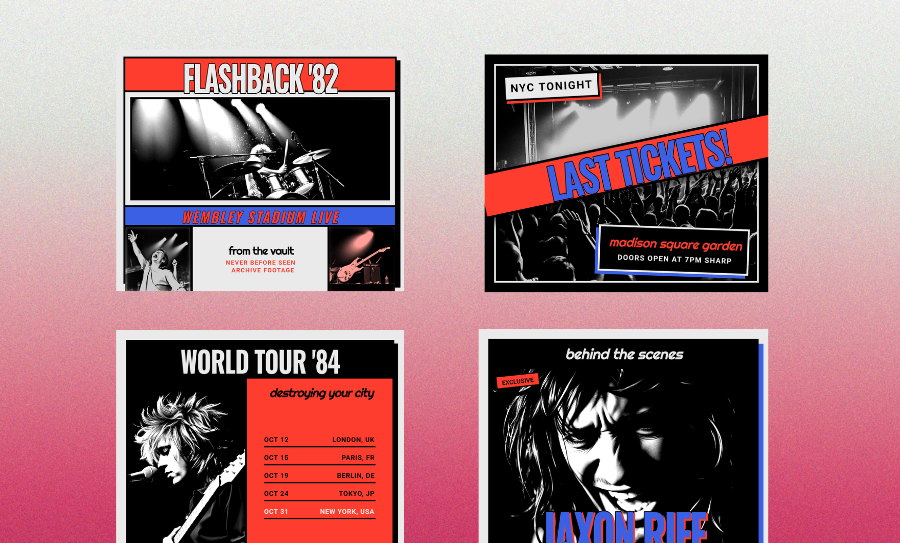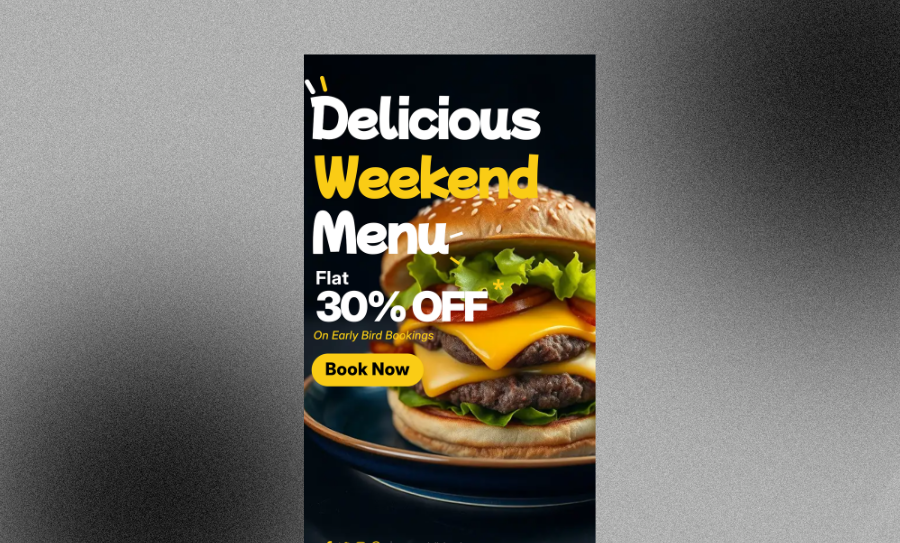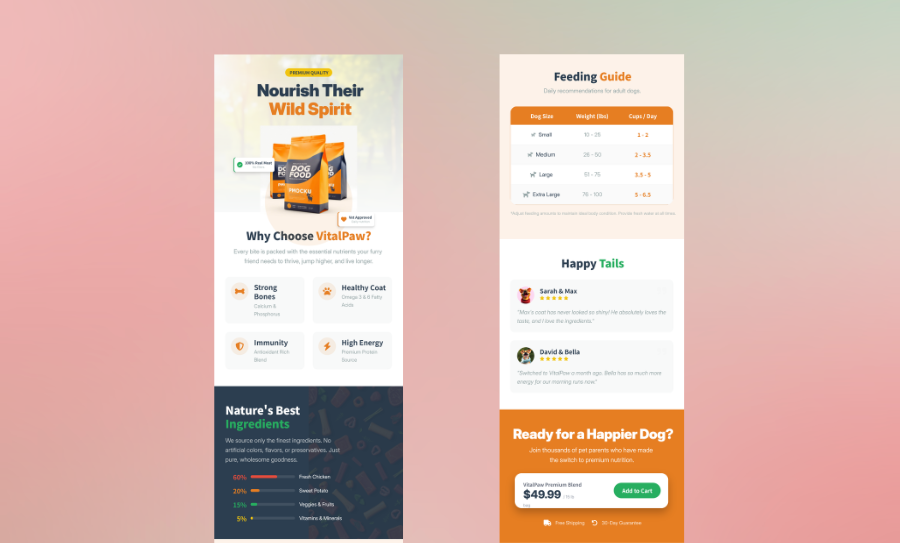
Adult Education Open House Campaign Generator
Create flyers, social posts, and print-ready materials for your adult ed open house in one place. Describe your program and audience, then get campaign copy and layouts built around them. Export a polished PDF or PNG to share with community partners or post online.
Three Ways to Generate open house campaign visual asset sets
Describe Your Open House Event and Generate a Full Campaign Kit
Type in your program name, event date, location, and the audience you're trying to reach, and an AI-powered campaign generator builds a coordinated set of visual assets around those details. This works especially well when you're starting from scratch and don't have a design background. You get a flyer, social card, partner one-sheet, and display poster that all speak to the same event with consistent copy and layout.
- Enter your target audience segment so the output copy reflects their specific situation, whether that's career changers, GED seekers, or adults re-entering the workforce
- Choose a campaign tone such as welcoming, community-focused, or urgency-driven to match how your program wants to be perceived
- All four asset formats generate from the same event inputs, so dates and details stay consistent across every piece
- Edit any text box, color, or image in the output before you export
Start From an Adult Education Open House Template and Customize It
If you have a general sense of how you want your campaign to look, picking a starting template is faster than building from a prompt. Browse styles built for community education events, select one that fits your program's tone, and swap in your own event details, logo, and program colors. Veeso AI keeps every element editable, so the template is a starting point, not a constraint.
- Filter templates by event type so you're starting from a layout built for information sessions and open house events, not generic posters
- Replace placeholder text with your actual program name, date, time, and venue in each format at once
- Adjust color palettes to match your institution's branding without touching the underlying layout structure
- Export the full set as high-resolution PNGs for social and PDFs for print distribution to community partners
Import Your Existing Event Copy and Turn It Into a Designed Campaign
If you've already written your event details in a Word doc, a PDF, or even a plain text file, you don't have to retype everything into a new tool. Import your content and the layout engine structures it into polished campaign pages automatically. This is a practical shortcut for adult education coordinators who write their outreach copy first and design second.
- Import from PDF, Word, or Markdown so your existing program descriptions and event details carry over without copy-paste errors
- The layout engine places headlines, body copy, dates, and contact information into a visual hierarchy that's easy for adult learners to scan
- Each imported page becomes a fully editable design, not a locked image of your original document
- Generate the full multi-format campaign set from your imported content so the flyer, social card, and partner one-sheet all draw from the same source
Why choose Veeso for your print-ready open house campaign materials
Match Your Message to the Right Adult Learner Audience
A laid-off worker, a parent returning to the workforce, and an adult without a diploma all have different fears about going back to school. Generic open house flyers treat them the same, which means the message lands flat for everyone. When your campaign materials reflect the specific hesitations of your target group, more people actually show up.
Try It Free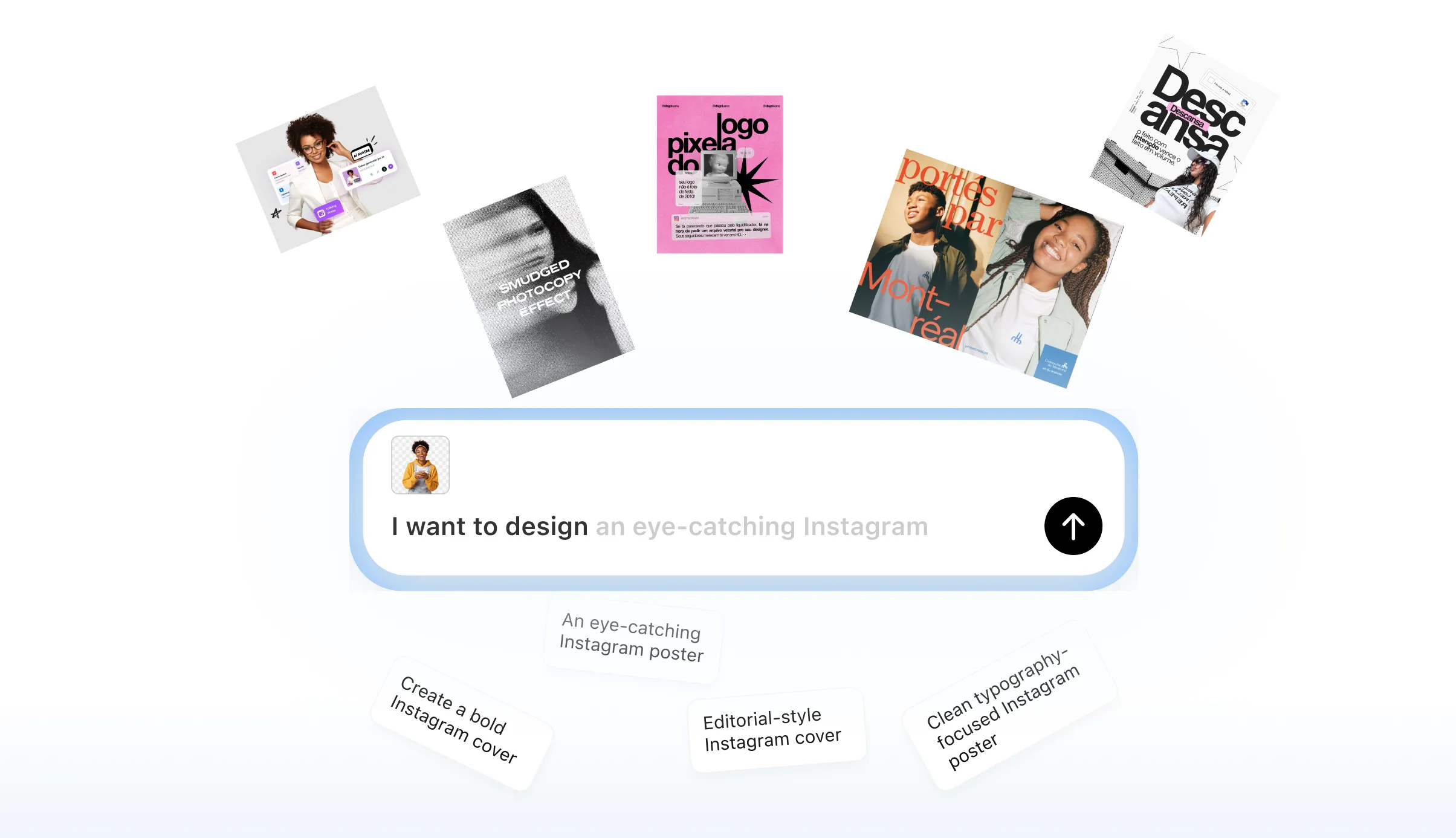
Keep Branding Consistent Across Every Format You Distribute
An adult education open house typically needs a printed flyer, a social media card, a partner one-sheet for community organizations, and a display poster for your building. Creating each one separately in different tools almost always produces mismatched fonts, colors, and layouts. A coordinated campaign kit keeps every piece looking like it belongs together, which builds trust with prospective learners before they even walk through the door.
Try It Free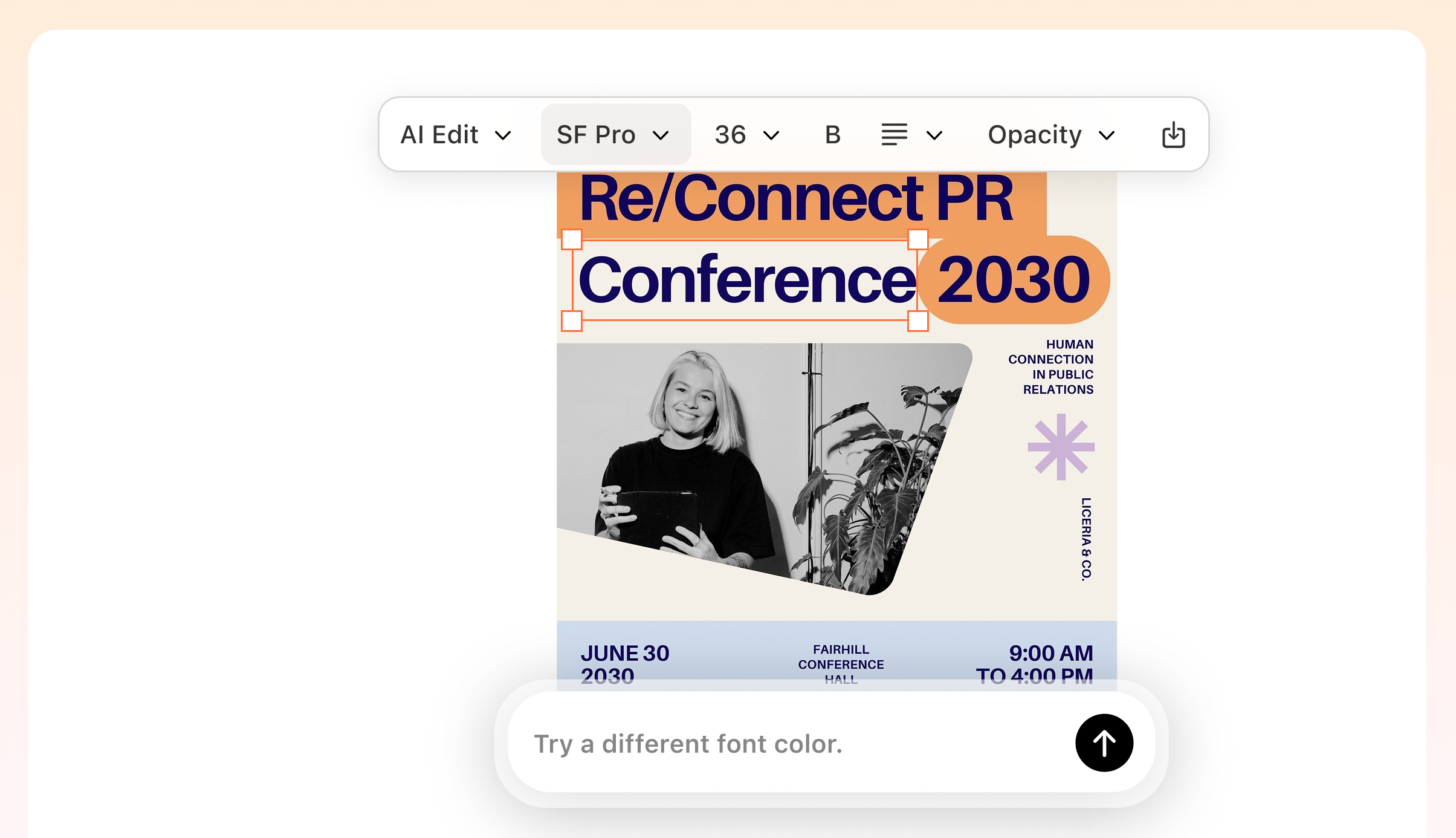
Produce Print-Ready Files That Community Partners Can Actually Use
Libraries, workforce centers, and community health clinics are some of your best distribution channels for adult education recruitment. But they need high-resolution PDFs they can print themselves, not low-quality screenshots or files that look blurry at full size. Exporting print-ready campaign materials means your flyer looks professional whether it's posted on a bulletin board in a laundromat or handed out at a job fair.
Try It Free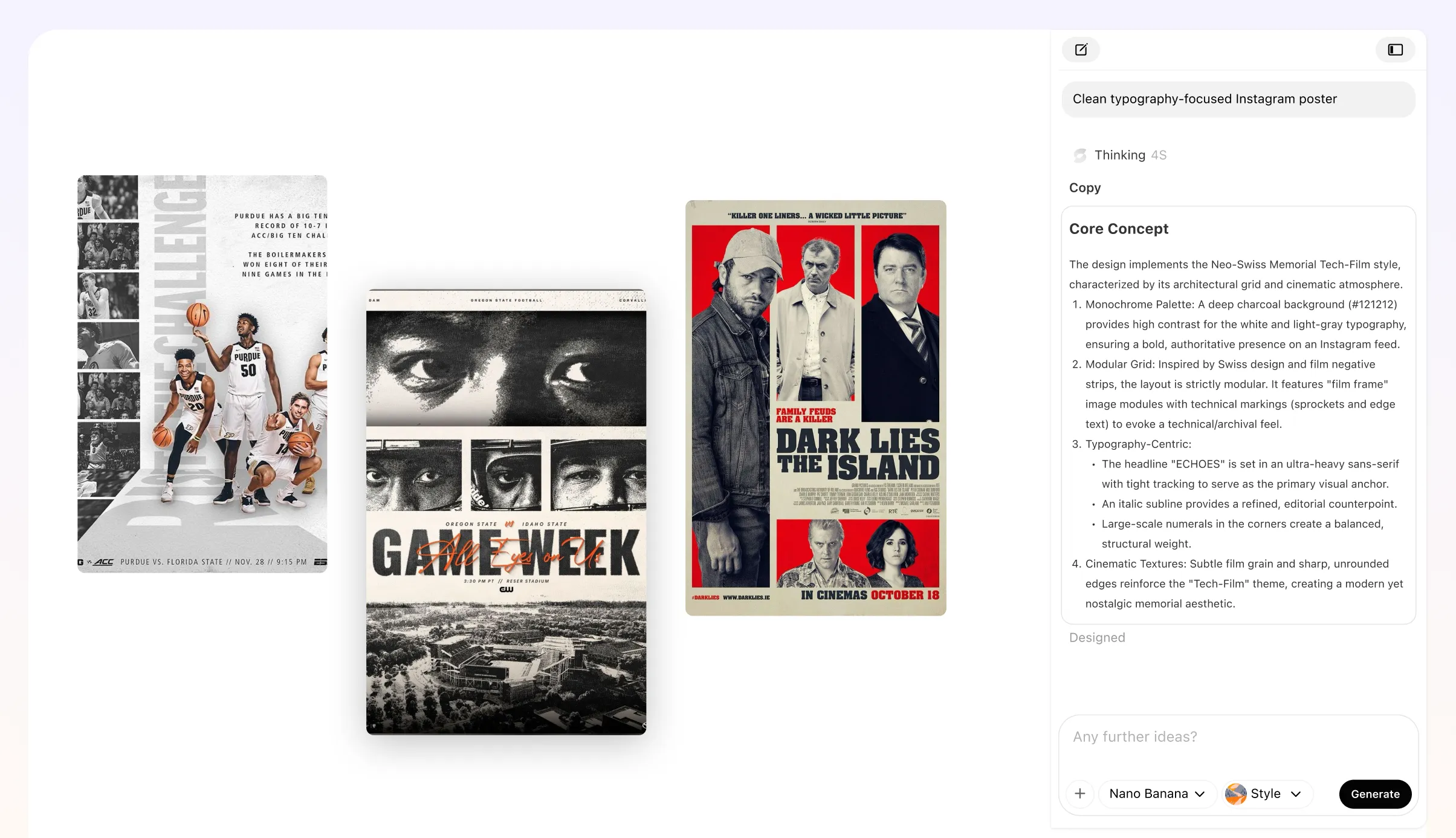
Make Last-Minute Date or Location Changes Without Starting Over
Open house events get rescheduled. Rooms change. Contact numbers get updated the week before the event. If your campaign materials are locked static images, every small change means rebuilding from scratch. Fully editable layouts let you update one detail and re-export all your formats in minutes, so nothing goes out with the wrong date on it.
Try It Free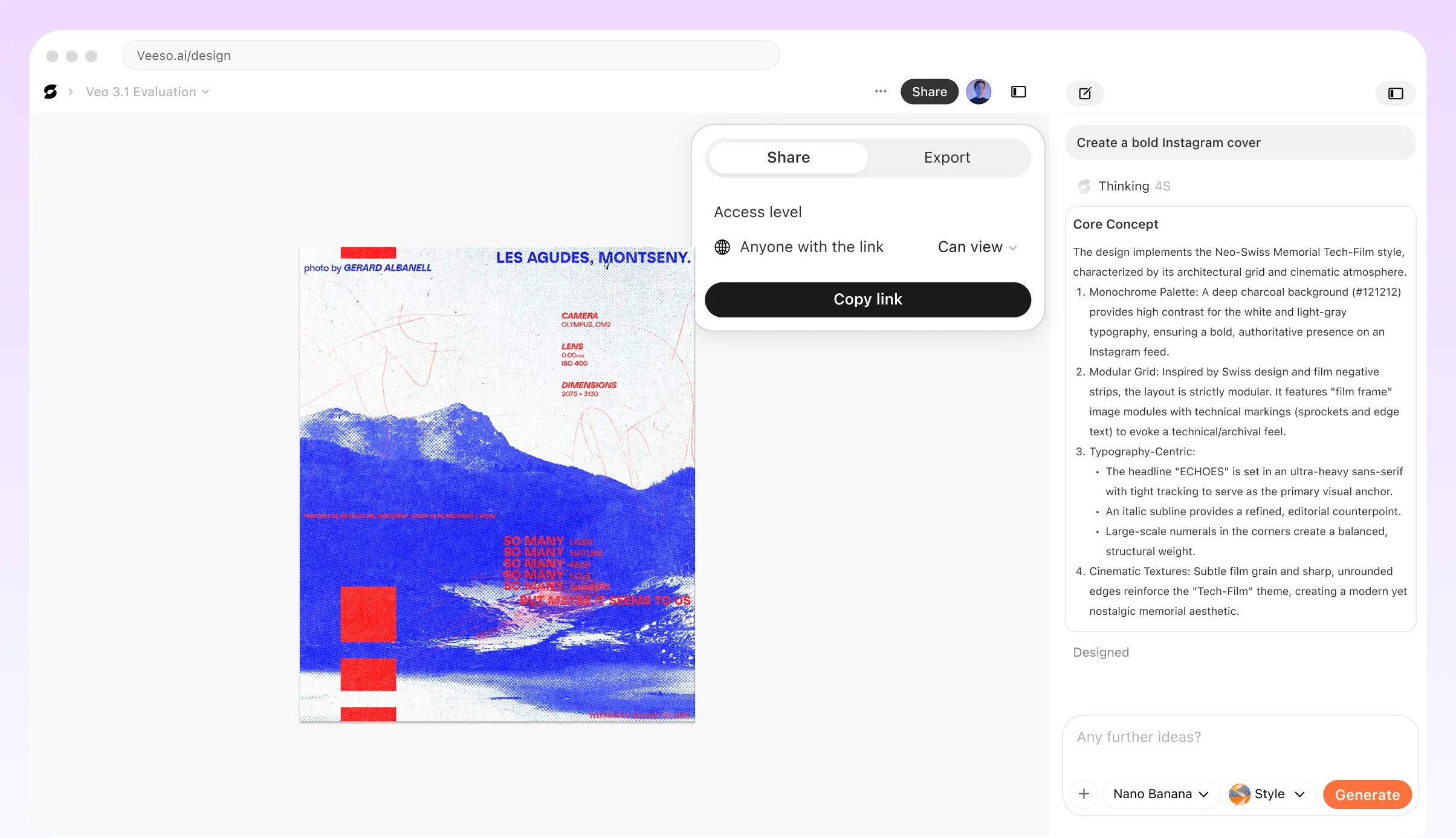
Who Uses an Adult Education Open House Campaign Generator?
Reaching Laid-Off Workers Before Registration Closes
A workforce development center has two weeks to fill seats at an upcoming information session after a local plant closure. Generic flyers won't land with people who are anxious about starting over. This is the moment to build a short outreach campaign that speaks directly to that fear: steady work, not just school. Write poster copy and social captions that name the situation plainly, explain what the open house actually covers, and tell people exactly how to show up. Keep the tone direct and practical, not cheerful or vague.
Promoting a GED Program Open House Through Community Partners
Many adults without a high school diploma first hear about programs through libraries, food banks, or faith organizations, not social media ads. If you're coordinating outreach through those partners, you need print materials they can actually hand out. A one-page flyer with clear event details, plain language, and a welcoming tone travels further than a digital post in this context. Design it so a partner can display it on a bulletin board or slip it into a bag at a food pantry without any explanation needed.
Building a Multi-Channel Campaign for a Community College Information Event
A continuing education coordinator needs consistent messaging across a printed rack card, a Facebook post, and an email header for the same open house. When each piece is written and designed separately, the event looks like three different programs. Starting from a single set of campaign copy and adapting it to each format keeps the message tight and the event recognizable. Veeso AI lets you paste your event details once and produce editable visual assets for each channel without rebuilding the layout from scratch every time.
Crafting Welcoming Copy for Parents Re-Entering the Workforce
A parent who left school years ago to raise children carries real hesitation into any education decision. Phrases like 'accelerated program' or 'competitive enrollment' can push that person away before they ever attend an information session. Adult education recruitment campaign materials aimed at this group need to acknowledge the gap without making it feel like a problem. Lead with what's possible after the open house, not what's required to get in. Describe childcare options, flexible scheduling, and the kinds of questions the event is designed to answer.
Designing Print-Ready Flyers for a Re-Entry Learner Outreach Campaign
Adults returning from incarceration face a specific set of barriers when considering education programs, and a flyer that ignores those barriers gets ignored in return. If your open house is designed to welcome re-entry learners, the campaign materials need to reflect that directly. Name the support services available, clarify eligibility in plain terms, and avoid language that sounds like a sales pitch. Veeso AI can help you turn that copy into a print-ready PDF flyer formatted for standard letter or tabloid size, ready to share with reentry coordinators and community organizations.
Replacing Generic Templates With Event-Specific Campaign Copy for Career Changers
A career changer in their 30s or 40s researching adult literacy programs or vocational certificates wants to know if the open house is actually for someone like them. A recycled template with stock photos and bullet points doesn't answer that question. Build campaign materials that describe the event from the attendee's point of view: what they'll learn, who else will be there, and what happens after they walk in the door. Specific, honest copy converts better than polished but empty promotion, especially for an audience that has already been let down by vague promises.
Why adult education coordinators and workforce development program staff Choose Veeso AI
How to Create High-Converting coordinated open house campaign design kit
Enter Your Event Details and Choose Your Target Audience Segment
Start by typing in your program name, open house date, time, location, and the primary audience you want to reach. Choosing your audience segment here, whether that's adults without a diploma, laid-off workers, or parents returning to the workforce, shapes the campaign copy so it speaks directly to that group's concerns rather than sounding like a generic announcement.
Select a Campaign Tone That Fits Your Program's Voice
Pick whether you want your open house materials to feel warm and welcoming, community-focused, or gently urgent to encourage people to act before the event date. This choice affects the headline style and supporting copy across all four formats in your campaign kit.
Review and Edit Your Coordinated Campaign Asset Set
Your event flyer, social media card, community partner one-sheet, and in-program display poster all generate from the same inputs. Check each format, adjust any text, swap images, or update colors to match your institution's branding before you finalize anything.
Export Print-Ready PDFs and Shareable PNGs for Distribution
Download high-resolution PDFs of your flyer and partner one-sheet for physical distribution at libraries, workforce centers, and community organizations. Export PNGs of your social media card and display poster for digital channels. Each file is sized and formatted for its intended use so you're not resizing or reformatting after the fact.
FAQ
Ready to Create Beautiful Print-Ready Open House Campaign Materials with Veeso AI?
Start Creating NowNo credit card required • Free to start • No design skills required
Explore More AI Graphic Design Use Cases
Discover more creative design scenarios powered by Veeso AI.